
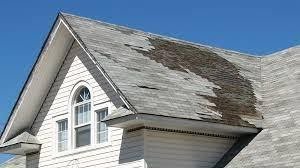
Speaking about climate change, we tend to think about the increased temperature or disappearance of ice caps. What is given significantly less concern is the direct impact of environmental risk on housing stability. The Intergovernmental panel on climate change (IPCC) states that extreme heat, flooding and storms are climate related hazards that are on the rise in frequency and magnitude.
Housing instability consists of being forced to change housing regularly, not afforded rent increases, unsafe environments or the fear of being evicted. These situations are increasingly becoming common, especially in low-income neighborhoods due to environmental stressors.
The Disruption of Disasters into Daily Life.
Natural disasters seriously lower the availability of safe and affordable houses. According to the Federal Emergency Management Agency (FEMA), this is the most prevalent and expensive natural disaster in the United States, and it is flooding.
The costs of repairs, an increase in insurance premiums, and the increase in rents will be encountered by families in response to major storms because of the low availability of housing. Homeowners are being placed under additional financial strain with insurers decreasing or discontinuing coverage in the high-risk regions in some states. The Harvard Joint center of housing studies emphasizes the impacts of housing by discussing the reshaping of the housing markets and affordability through climate risk.
In the case of renters, displacement usually entails moving away miles away in search of employment, education, and support systems. What seems to be a short-term disruption has the potential to become a long-term instability.
Health, Work and Financial Strain.
Income and health are also the victims of environmental hazards. According to the Centers of Disease Control and Prevention (CDC), extreme heat intensity elevates the health risk and may interfere with work especially among the outdoor and low-wage employees. The loss of workdays translates to the loss of income and rent becomes difficult to afford.
Simultaneously, the cost of medical treatment of heat stress, breathing problems due to poor air quality, or the aftermath creates additional pressure. Financial strain is increased by increased energy charges in long heatwaves.
Long Term Dislocation and Increasing Socioeconomic Separation.
Societies subjected to repeated environmental incidences normally suffer gradual displacement. Families move to cheaper locations, which may be further away in terms of jobs, educational institutions, and other services. With time, the neighborhoods are redesigned with the environmental risk and solidify the existing disparities.
Notably, the communities that have faced the most severe impact of climate risks are usually those which have been traditionally subject to the underinvestment of infrastructure and housing quality by the population. The areas are more susceptible to aging buildings, lack of green space and drainage systems.
There is no environmental risk that is independent, as it combines with economic vulnerability. To maintain housing stability, it is essential to have policies and plans that are climate-resilient, have stronger infrastructures, and prevent the disproportionate impact of environmental change on those with the poorest resources to the greatest extent.