
modernity promotes rapid replacement as opposed to repair. Disposing is easy due to fast fashion, cheap electronics, and the ease of online shopping and restoring is not. Nonetheless, this practice leads to the escalation of garbage as well as the surge in demands of raw materials.
The concept of the circular economy is about product life. According to The Ellen MacArthur Foundation, the longer the products are in use, the less material extraction and pollution.
Repairing should save time to replenish energy, water and the materials needed to create a new one.
Things that can be repaired on a daily basis.
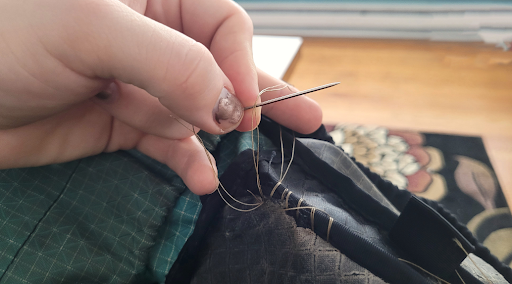
Clothing is a common example. When buttons are loose or falling off or a seam is tearing or has torn, instead of discarding the garment, a little stitching can mend the tear or re-attach the buttons. Replacement of faulty or failed batteries in electronics, or repairing a faulty or failed part of an appliance may be a much cheaper option then purchasing a new electronic or appliance. Being aware of things that can be done to increase a product’s life are also beneficial to the environment, such as routinely cleaning filters, tightening screws and servicing appliances.
Repairability, as identified by the World Economic Forum (WEF), is one of the strategies that have the potential to decrease the amount of waste in the world and ensure that people are mindful of the consumption needs in the world.
Shifting Consumer Mindsets
The repair culture makes individuals put more emphasis on durability, rather than convenience. Rather than buying the disposable, people start buying products with better quality that is durable. This saves money and minimizes clutter as well as environmental impact.
Simple methods to start with would be to learn some simple sewing, patronize local repair, and buy products that have replaceable components. One can also access knowledge through community-based repair cafes and online tutorials.
Repairing things creates a deeper attachment to those things. Instead of being discarded, most repaired things become an object that is treasured and preserved. Preserving more and purchasing less not only saves money, it is responsible consumerism and is conducive to sustainability.