
The kitchen is a place that is usually central to the house – and it is also a significant source of domestic waste. Food wrappings, disposable wipes, plastic wrapping and spoiled leftovers are piled up in life on a day-to-day basis. Constructing a zero-waste kitchen does not require one to get rid of trash overnight, but rather attempts to balance the wasteful habits with sensible solutions slowly.
The U.S. Environmental Protection Agency (EPA) estimates that food waste comprises a significant portion of landfill waste and methane emissions that are a greenhouse gas that is much more potent than carbon dioxide.
The households can decrease their environmental footprint by means of reducing the waste in the kitchen.
Rethink Food Storage
The initial is reconsidering storage. Single-use plastic packaging can be substituted by reusable glass jars, stainless steel containers and cloth produce bags. Purchasing of rice, beans and spices in large amounts saves on packaging waste as well as saving the money. Low-waste shopping has never been so easy with many communities having refill stations in which to clean liquids and pantry items.
Compost Instead of Discarding
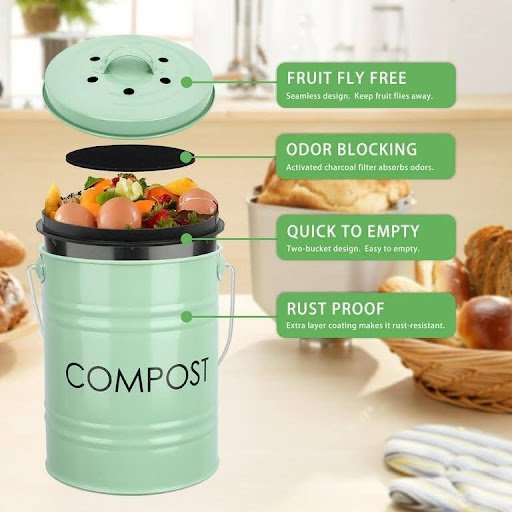
Another necessary ingredient is composting. Composting can be done on fruit peels, vegetable scraps, coffee grounds and eggshells in place of waste disposal. According to the United Nations Environment Programme (UNEP), composting keeps the organic material out of the landfills and at the same time it enriches the soil naturally. Even tiny compost bins on the counter are effective even in apartments.
Plan Meals Strategically
Planning of meals contributes significantly to the minimization of wastes. Making meals that are made according to what is already on the fridge helps in spoilage, as well as avoiding unnecessary purchases. Leftovers should be frozen and labeled so that they are not forgotten.
Simple Sustainable Swaps
• Paper towels are replaced by cloth towel.
• Plastic wrap changed to beeswax wrap.
• Reusable cleaners as opposed to disposable cleaners.
Ultimately, a zero-waste kitchen can be achieved with awareness. As soon as individuals become aware of the extent of their wastefulness, they start to become more conscious and thoughtful of their consumption. These simple changes can over time save money, help with kitchen organization and most importantly, will be less damaging to the environment – all showing that we can achieve sustainability through our daily habits starting at home.