
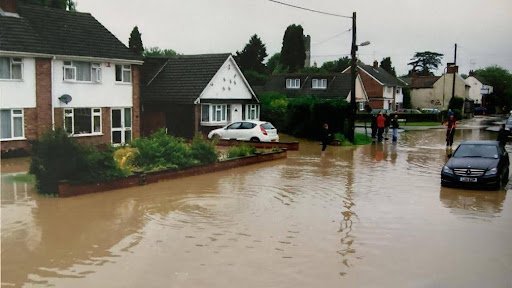
The increasing threats of floods.
Climate patterns are changing and extreme rainfall is now more frequent, which increases flood risk in coastal and inland areas alike. According to the recent analysis conducted by the National Centers of Environmental Information (NCEI), the summer of 2025 was associated with massive flooding activities in the U.S., and the National Weather Service issued more than 1,400 flash flood alerts during July alone, which, in turn, overwhelmed the infrastructure and led to extensive water overflow in the areas of Texas to the Midwest. These show tendencies of increased precipitation and atmospheric moisture associated with climatic change.
Besides, studies also indicate that the risk of coastal flooding is growing, especially due to rising sea levels and the spreading storm surge, and one climate study has indicated that the most frequent severe coastal floods might happen more frequently in the next decades, impacting millions of lives and hundreds of thousands of properties.
One of the reasons why these changes are taking place is that warmer air has more moisture, leading to heavier downpours and flash flooding, which can overwhelm the local drainage systems and result in rivers overflowing their banks.
Concentrated Exposure in High-Risk Areas
Historically, flood-prone areas have been relatively cheaper, and that is why most of the low-income households will establish themselves in the floodplains or close to the industrial belts. This trend has over the years led to the localization of environmental vulnerability on already disadvantaged communities.
According to Federal Emergency Management Agency (FEMA), flooding is the most prevalent and costly natural disaster in the U.S. and old houses in flood-prone areas usually do not have new drainage, raising techniques, or storm-resistant reinforcers. In the absence of adequate infrastructure investment, the effects of storms are becoming stiffer with every occurrence.
The study by the World Bank also points to the fact that with poorer infrastructure and financial cushions, low-income populations are exposed to climate hazards to a disproportionate degree.
Economic and Social Impact.
The destruction of water is not limited to the structural damage. Breaking down of appliances, cars and personal properties can cost thousands of dollars to restore. FEMA observes that an inch of water in a home can cause huge repair costs. Families that do not have insurance or emergency savings may especially have a slow recovery. Frequent flooding can lead to evacuation, loss of livelihood, and local business. Sometimes the schools and the health care facilities shut down breaking the healthcare and economic process.
Health Hazards and Long-term effects.
A high chance of infections and respiratory disease such as that caused due to the exposure to molds due to floodwaters, which usually represent the source of contaminants. In addition to physical health hazards, studies by the American Psychological Association (APA) reveal that natural disasters are usually accompanied by anxiety, emotional trauma, and extended psychological stress especially in those communities that experience recurrence.
Flood exposure will persist in contributing to socioeconomic inequality unless flood mitigation financing is allocated fairly among the flood mitigation interventions, such as green infrastructure, revised drainage systems, and climate-resilient residences. The mitigation of the flood risk is not just a priority of climate adaptation but also an issue of environmental fairness and community vulnerability.